Horse Stall Flooring Options: Comparing Rubber Mats, Stone Dust, and Concrete
When it comes to building horse barns, flooring is one of those decisions that's easy to underestimate and there really isn’t a single right answer. Options like rubber mats, stone dust, and concrete flooring each solve different problems, and the right choice depends on your budget and how you plan to use the space.
What to Consider When Choosing Horse Stall Flooring
Before you consider a specific flooring, it’s important to take into consideration what usage your barn is getting. Here are a few factors to consider before choosing a specific floor:
- Maintenance: Some floors need daily raking while others just need a quick sweep at the end of the day.
- Climate: Where you live ultimately determines how much extra stress is put on the stall floors. Winter temperatures could cause signs of cracking.
- Comfort: Horses spend most of their days standing in stalls and a surface that is too hard can lead to joint problems in the future.
- Budget: Material costs vary per square foot, along with maintenance and installation costs.
- Longevity: Saving money by going with a cheaper install only means a bigger bill down the road if the base was poorly built.
Rubber Mats: Comfort and Durability
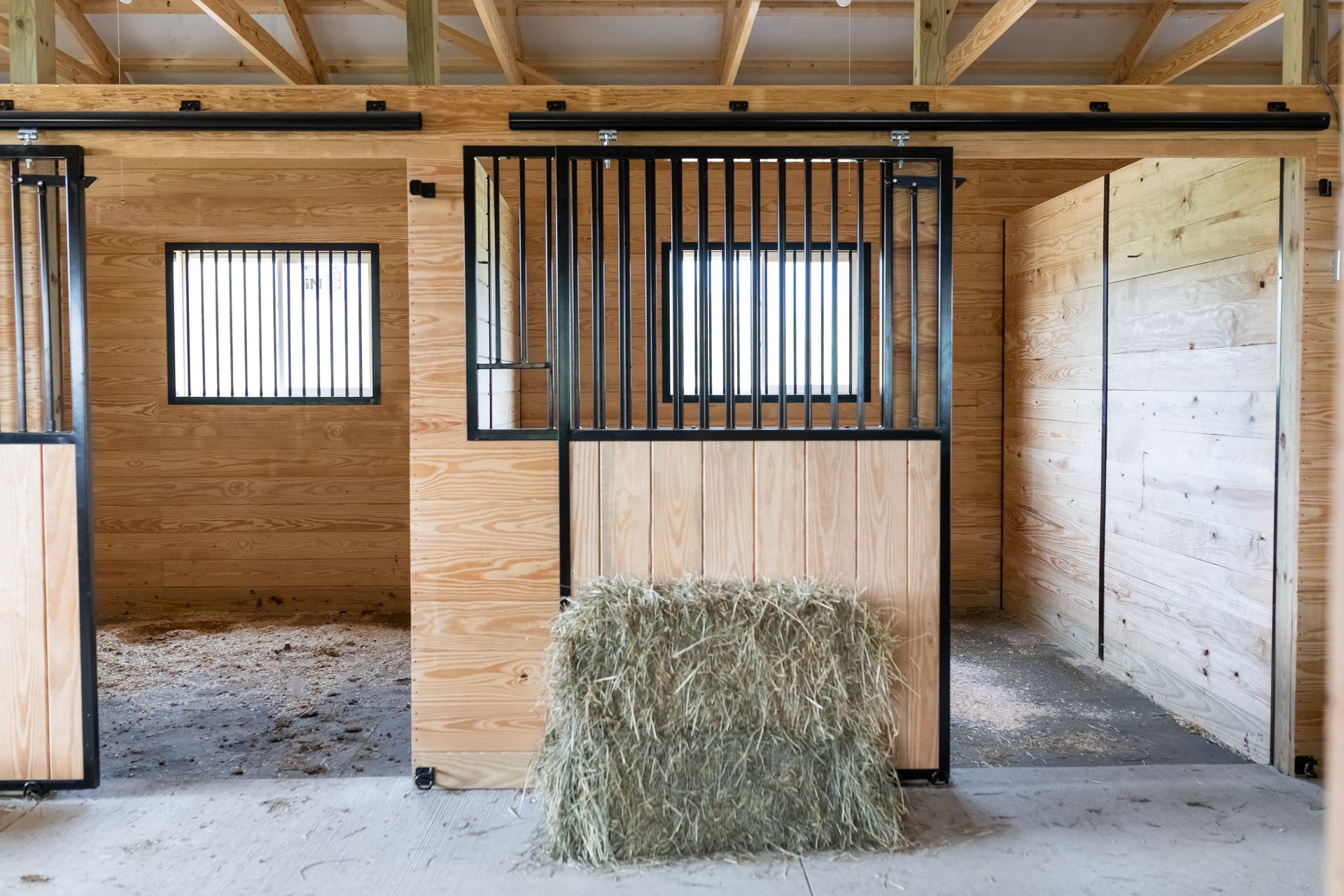
The most common flooring in horse barn stalls is rubber mats. This is a great option for those who want a low-maintenance ground that is good on your horse’s joints. Below are the pros of rubber mats:
- Comfort: The rubber flooring helps reduce stress on a horse's hooves and legs, which is important for the longevity of older horses.
- Bedding Savings: A comfortable flooring means less spend on bedding, which can add up over time due to replacing parts.
- Longevity: Rubber mats are built to last for over a decade, making them a smart investment for someone who doesn’t want to shop for new mats every few years.
Rubber Pavers:
Rubber pavers are looked at as a more premium option, but the presentation they give your barn is an amazing look. Rubber pavers work great in outdoor and indoor environments, and come in a variety of colors to help match your barn design.
- Interlocking feature: Pavers come in an interlocking design and are easy to extend, or switch out if a piece in your section wears out.
- Durability: Made from recycled rubber, this highly durable flooring won’t crack or bend, and works great throughout all seasons in or outside.
- Customizable: The interlocking feature allows you to extend or shorten your flooring space, and the various colors lets you customize your options to one or multiple colors.
- Best for: Rubber pavers are best for aisles, entryways, and wash stalls where presentation matters. Equestrian Facilities come to mind when it comes to rubber paver flooring.
Stone Dust: A Natural, Budget-Friendly Option
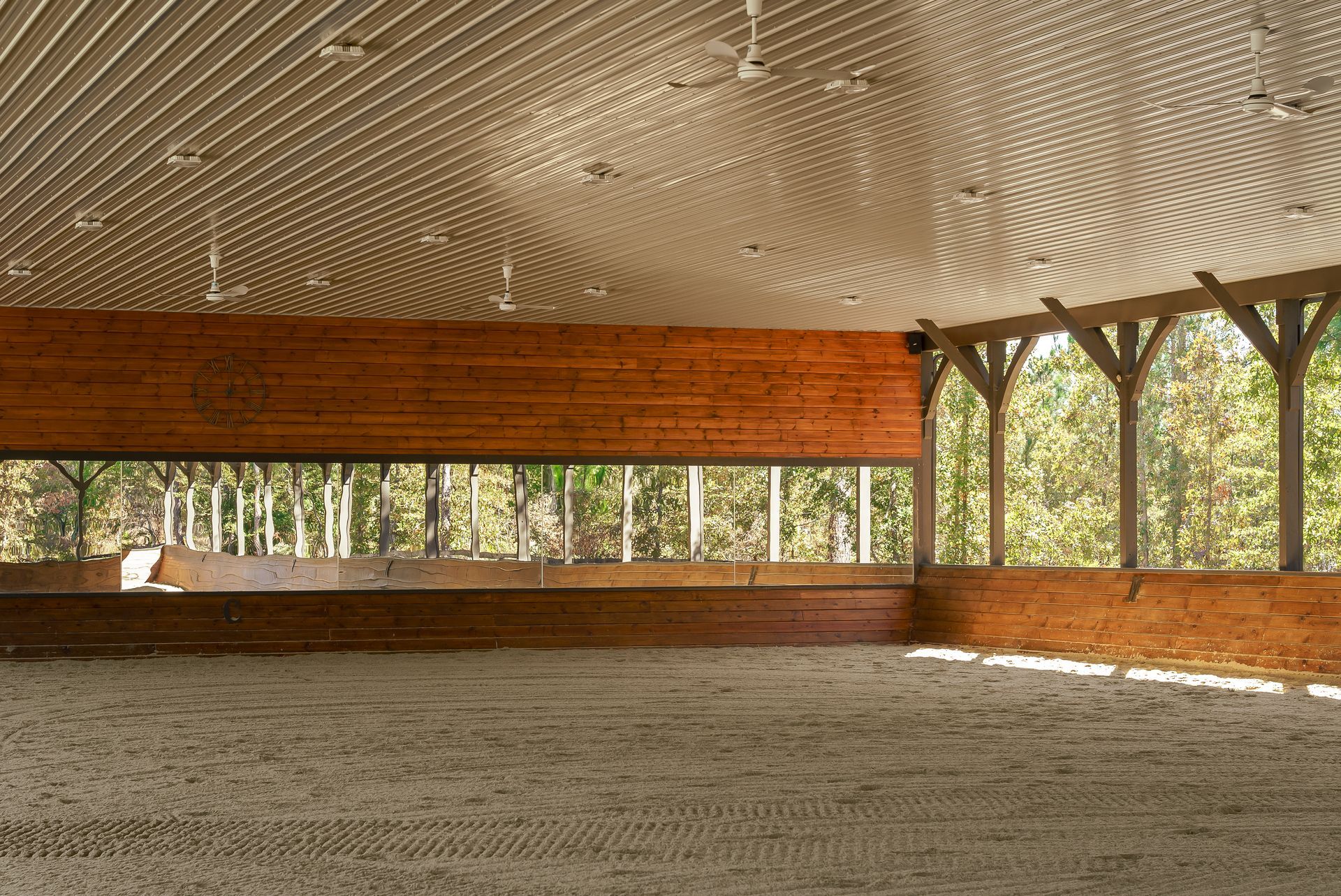
Stone dust, also known as limestone screenings, is a good option for those who want to go with a more natural feeling rather than spending the money on concrete or rubber.
- How it works: Stone dust compacts tightly while still allowing moisture to drain through.
- Layering is key: It’s recommended that builders compact the subsoil, add a gravel base for drainage, then build the stone dust up between 1-2 layers, tamping each one before adding the next.
- Maintaining: Because stone dust is a looser material, dips can occur near water stations and high-traffic areas. Keeping on top of releveling is key to an even ground.
- Cost efficient: Stone dust is a great budget-conscious option but does require maintenance to keep your area leveled.
Concrete: A Strong Foundation with the Right Setup
Concrete flooring on its own isn’t ideal for horses to stand on comfortably, but if you plan to use concrete as a base you’ll have a good option.
- Long lasting: 3,000–4,000 PSI concrete is standard for barn floors and holds up well to daily wear.
- Pairing options: Concrete has multiple options to pair the flooring with:
- Rubber: A combination of rubber and concrete gives you long-term durability with the comfort horses actually need.
- Mat and Pad Combination: A foam or rubber underlayment goes down first, then a mat on top. This adds extra absorption over concrete without the cost of a full mattress system.
- Deep bedding alone: Some barn owners just pile bedding directly on the concrete without adding a mat layer. This may be budget-friendly, but it’s discouraged by equine professionals. Horses can easily paw through the bedding and injure their hooves or joints on the bare concrete.
- Drainage must be in design: Concrete stall floors should be poured with a slope so that water and urine flow toward a drain instead of pooling.
Can You Combine Stall Flooring Materials?
In modern barns, combinations of flooring materials are very common. The most common setups we see are below:
- Rubber mats with stone dust flooring: A natural-feeling, well-draining stall with added cushioning.
- Rubber mats over concrete: Maximum durability with the comfort of a softer top layer.
- Concrete with a rubber paver wash stall: Drains well, cleans easily, and holds up better to constant water than standard stall mats.
Which Horse Stall Flooring Is Right for You?
Choosing the right stall flooring comes down to your barn’s setup, workload, and budget:
- Private barns: Rubber mats over a compacted stone-dust base provide comfort, cushion, and simple maintenance without a massive up-front investment.
- Large operations with many horses: Sealed concrete paired with heavy-duty rubber mats holds up best against daily wear, heavy equipment, and frequent pressure washing.
- Budget-conscious barn owners: Plain stone dust is the most cost-effective solution and performs reliably when installed over a properly drained sub-base.
- Show barns: Layered rubber mats and decorative rubber pavers combine horse comfort with a premium look.
Contact Sunrise Valley Construction to Discuss Your Stall Flooring
The Sunrise Valley Construction team is here to help you design and install horse stall flooring that is safe, durable, and built with your horses’ ultimate comfort in mind. Contact us today at (717) 354-8755 to discuss your project and start your custom build.