Why Ventilation Is the Most Critical Feature in Horse Barn Design
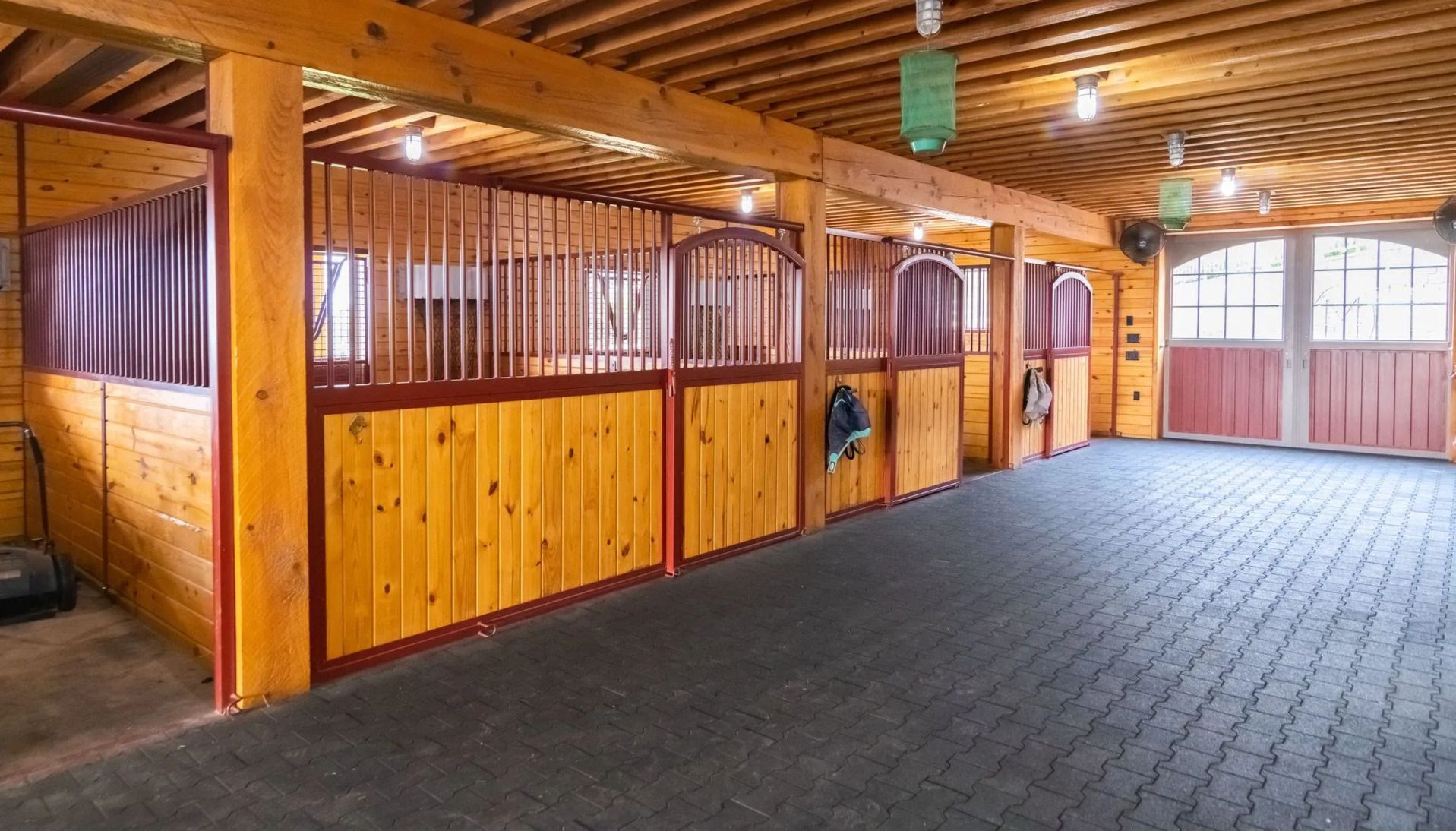
When we build a custom horse barn, your horses’ well-being is always top of mind. While features like stalls, tack rooms, wash bays, and storage areas are important, ventilation is one of the most critical parts of the entire design.
In many ways, ventilation acts like the lungs of your barn. It helps move fresh air through the structure, control moisture, reduce odors, and create a healthier environment for your horses.
Why Ventilation Matters to a Horse barn
Horses breathe in large amounts of air, which means the quality of that air matters. In a closed-up barn, heat, moisture, dust, and ammonia from urine can build up quickly without proper airflow.
Over time, poor air quality can contribute to respiratory issues and create an uncomfortable environment for your horses. It can also lead to problems inside the barn itself, including condensation, mold, mildew, and strong odors.
Start Your Horse Barn Project
If you're considering a custom horse barn, we'd love to hear about your plans. Contact us online or call (717) 354-8755 to get started with an initial consultation.
Common Misconceptions about Horse Barn Ventilation
Below are some of the most common misconceptions when planning a new horse barn.
Ventilation will make my barn too cold in the winter
Proper ventilation is different from letting cold air blow directly onto your horses. Fresh, moving air helps remove moisture, dust, and ammonia year-round. Horses generally tolerate cooler temperatures much better than stale airflow.
I plan to only have a few horses occupy the barn
Even a small number of horses produce heat, moisture, and dust that can affect air quality. A properly ventilated barn helps create a healthier environment regardless of the number of stalls.
I'll just leave the doors and windows open
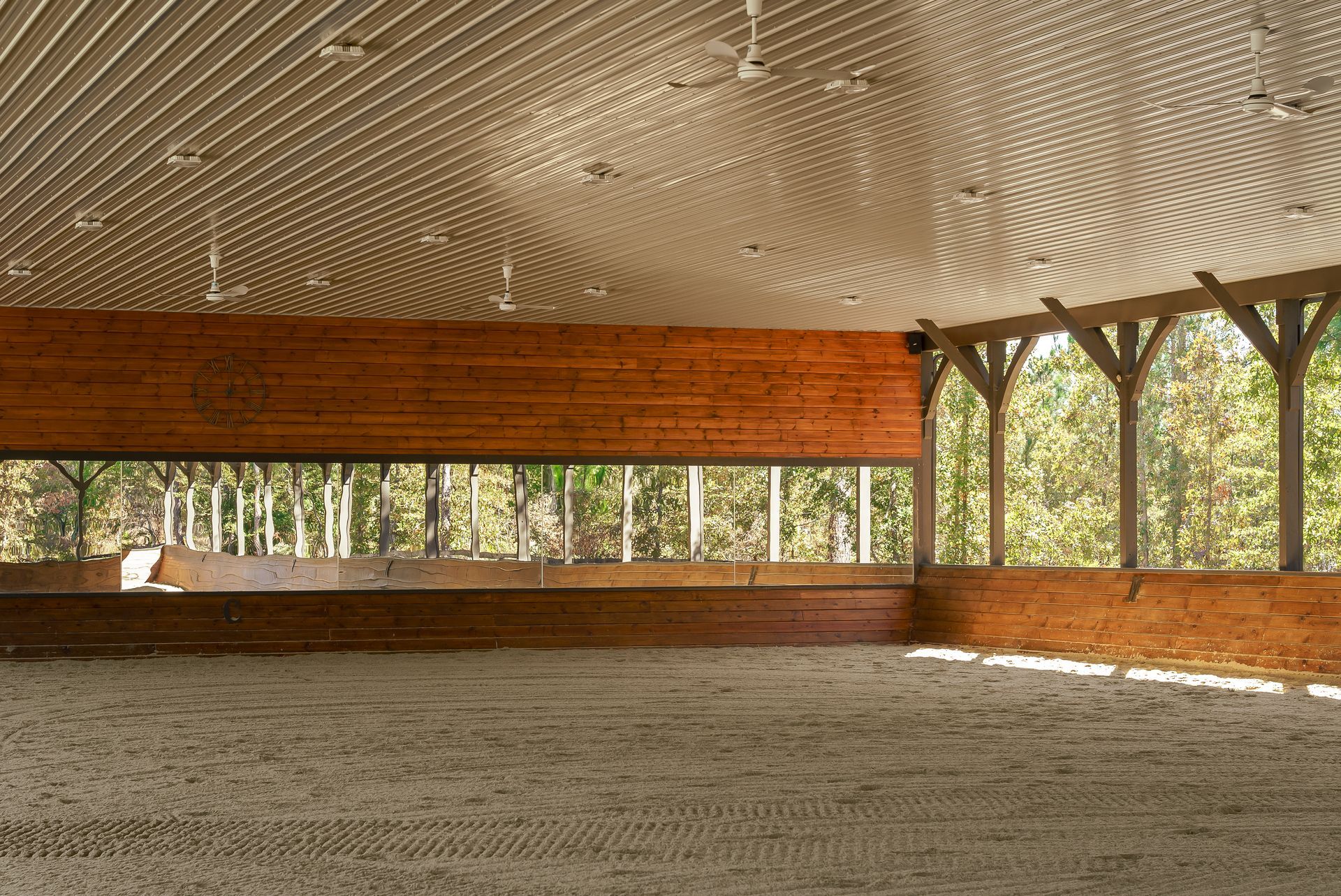
Opening doors and windows can help on nice days, but it is not a substitute for a ventilation system that's designed for inside the barn. Features like air inlets, HVLS fans, and properly placed windows work together to keep fresh air moving even when the weather doesn't allow you to leave everything open.
Planning Ahead to Save Money
Planning for proper ventilation during the design phase is almost always easier and more cost-effective than trying to add it after your horse barn is complete.
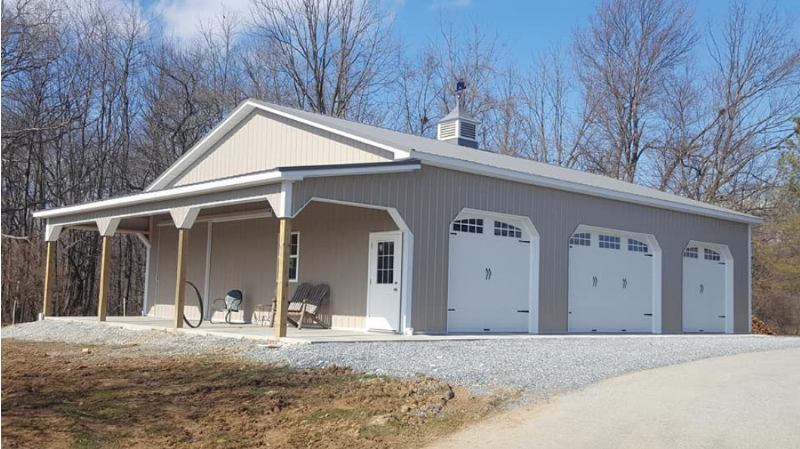
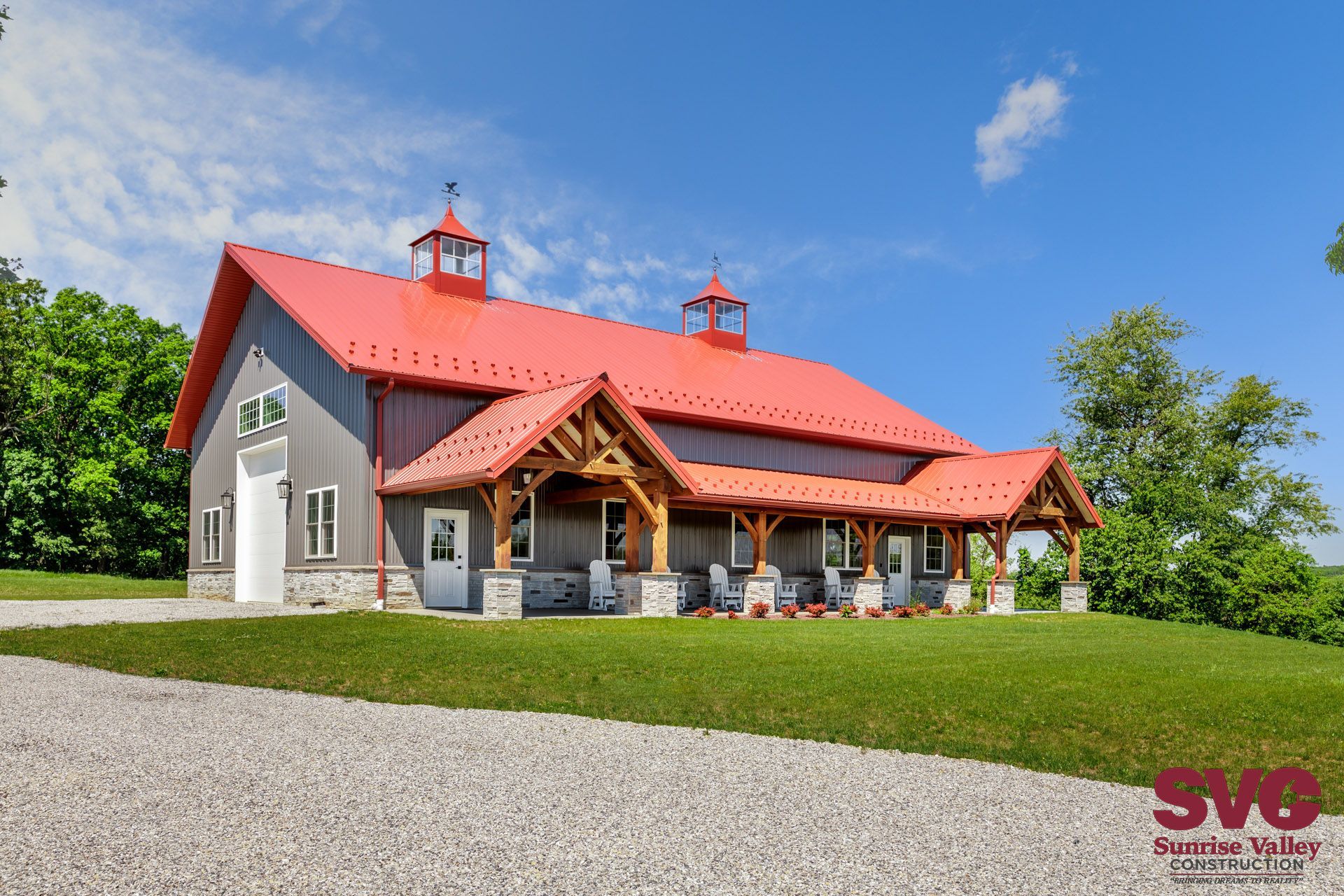
Features like ridge vents, cupolas, window placement, and overall barn layout work together to create natural airflow throughout the structure. Depending on how the barn is built, adding ventilation features mentioned above, after construction, may require costly modifications.
Even if you're still deciding on certain features, it's worth discussing your long-term plans with your builder. Planning ahead can help save money on materials and avoid additional labor costs later.
Contact Us to Discuss Your Horse Barn Idea with Sunrise Valley Construction
The Sunrise Valley Construction team is here to help you plan a horse barn that is safe, and built with your horses’ comfort in mind. Contact us today to discuss your ideas and get started on your next custom build.